
Sustainable construction isn’t just a buzzword it’s a necessity in today’s world where environmental concerns are growing and natural resources are becoming scarcer. One of the most impactful and accessible ways to make construction more sustainable is by reusing building materials. Instead of relying solely on new materials more builders architects and homeowners are turning to reclaimed resources to cut costs reduce environmental impact and add unique charm to their projects. Let’s explore the essential techniques and practices for integrating reused materials into construction while maintaining quality and functionality.
Why Material Reuse Matters
Reusing materials in construction significantly reduces the demand for raw materials which means less mining deforestation and industrial manufacturing processes that often harm the environment. It also prevents tons of construction and demolition waste from ending up in landfills. From a financial perspective using reclaimed materials often lowers project costs especially when materials can be sourced locally or salvaged from demolition sites. In addition to saving money and protecting the planet reusing materials can also support local economies by creating demand for services like deconstruction salvage operations and materials processing.
Common Materials That Can Be Reused
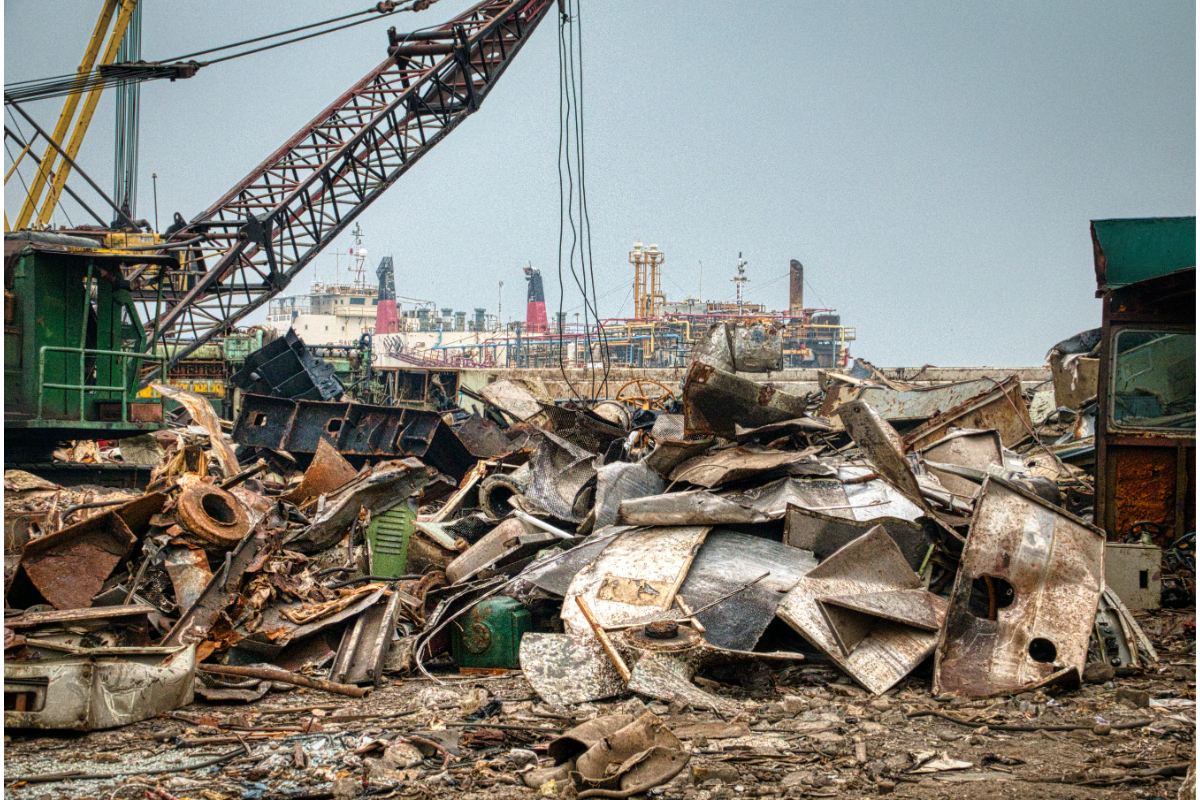
Wood is one of the most frequently reused materials thanks to its versatility. Whether it’s structural beams floorboards or decorative panels reclaimed wood adds both strength and character to any build. Metal is another high-value recyclable particularly steel and aluminum which can be melted and reshaped without losing structural integrity. Bricks and concrete blocks if carefully dismantled can be cleaned and reused or crushed for use as base material in new projects. Glass although fragile can be repurposed in windows doors or decorative features. Plastic especially when recycled into composites is increasingly used in non-structural elements like siding tiles or insulation.
Techniques to Enhance Material Reuse
One of the most effective techniques is deconstruction where a building is dismantled in stages rather than demolished all at once. This allows workers to preserve valuable components like doors fixtures tiles and framing materials. Modular construction is another smart approach allowing buildings to be assembled with interchangeable parts that can be reused or relocated as needed. Industrial waste materials such as fly ash or slag from steel production are also being incorporated into cement and concrete reducing the need for new raw materials. Architectural salvage is popular in renovation projects where items like vintage tiles iron railings or reclaimed hardwood floors are used to add character and sustainability at the same time.
Planning and Strategy in Material Reuse
Integrating reused materials into a construction project requires early planning. Builders should start with a detailed inventory of materials available for reuse either on-site or from local salvage suppliers. Proper sorting during demolition or renovation helps prevent contamination and damage to reusable elements. Partnering with recycling facilities or deconstruction companies can streamline the process ensuring that reclaimed materials are handled cleaned and stored correctly for future use. A good strategy also considers storage needs transport logistics and legal guidelines to ensure compliance with local building codes and safety standards.
The Role of Technology in Material Reuse
Modern technology is making material reuse more efficient and precise. Building Information Modeling BIM helps designers plan with sustainability in mind tracking which materials are reusable and integrating them into digital building plans. Artificial Intelligence AI is being developed to assess materials for reuse potential based on their condition and performance characteristics. 3D printing is an exciting frontier using recycled plastics and composites to produce custom building components on demand. These innovations make it easier to integrate reused materials into high-performance eco-conscious structures without sacrificing design or durability.
Real-World Applications and Case Studies
Around the world sustainable construction projects are demonstrating the power of reused materials. In Europe office towers have been constructed using steel reclaimed from demolished buildings significantly lowering carbon emissions and construction costs. Eco-villages in Latin America and Southeast Asia use a mix of salvaged and natural materials to build resilient low-impact communities. In North America warehouses are being transformed into loft apartments using original brick walls wood floors and steel beams. These examples show that material reuse isn’t just for small-scale or rustic projects it works for modern architecture too.
Overcoming the Challenges
Despite the benefits there are real challenges when it comes to reusing materials. One concern is quality assurance reclaimed materials must be tested for structural soundness contamination and performance to meet safety regulations. There’s also the issue of inconsistent supply especially when dealing with one-of-a-kind salvaged items. Storage can become a problem when materials need to be held for long periods before reuse. Finally local building codes and permits might limit the use of certain reused materials unless they’ve been properly certified. These barriers are being addressed by new industry standards better recycling infrastructure and increased education and training for construction professionals.
The Role of Designers and Communities
Architects and engineers are central to promoting reuse by designing with flexibility and disassembly in mind. This might mean choosing fasteners over adhesives or specifying modular components that are easy to remove and reinstall. Communities also play a key role by supporting and participating in salvage efforts donating materials and embracing DIY projects that reuse everything from shipping pallets to windows. Public workshops online platforms and tool libraries are giving people the knowledge and resources to build sustainably. When both professionals and everyday people work together the potential for material reuse expands dramatically.
Looking Ahead
The future of construction is circular. More than just recycling a circular economy in the building sector means designing for disassembly sourcing locally and treating materials as valuable resources with multiple lifecycles. New materials that are easier to reuse repair and recycle are being developed. Regulations are evolving to support sustainability and consumers are demanding greener buildings. As awareness grows and technology advances reused materials are becoming a mainstream choice not just for environmental reasons but because they make financial aesthetic and structural sense. Builders architects and communities alike have the opportunity to lead this change and build a world where nothing goes to waste.